Can Any Dog Become a Therapy Dog? What Northwest Arkansas Owners Should Know
Mar 11, 2026
Why Therapy Dogs Matter More Than Ever
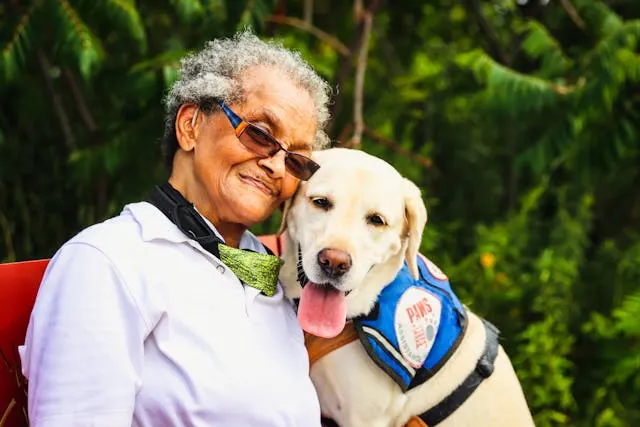
Therapy dogs play an important role in supporting people during stressful or emotional moments. They visit hospitals, schools, counseling centers, and community programs where a calm and friendly dog can help people relax and feel supported. In recent years, therapy dogs have also become more common in environments like universities where students benefit from positive interactions with animals.
Many dog owners in Northwest Arkansas are curious about whether their dog could become a therapy dog. It is a rewarding path that allows both the dog and the handler to give back to their community. However, not every dog is suited for therapy work, and the process requires thoughtful training and preparation.
Understanding what makes a good therapy dog is the first step for anyone considering this path.
What Makes a Dog Well Suited for Therapy Work
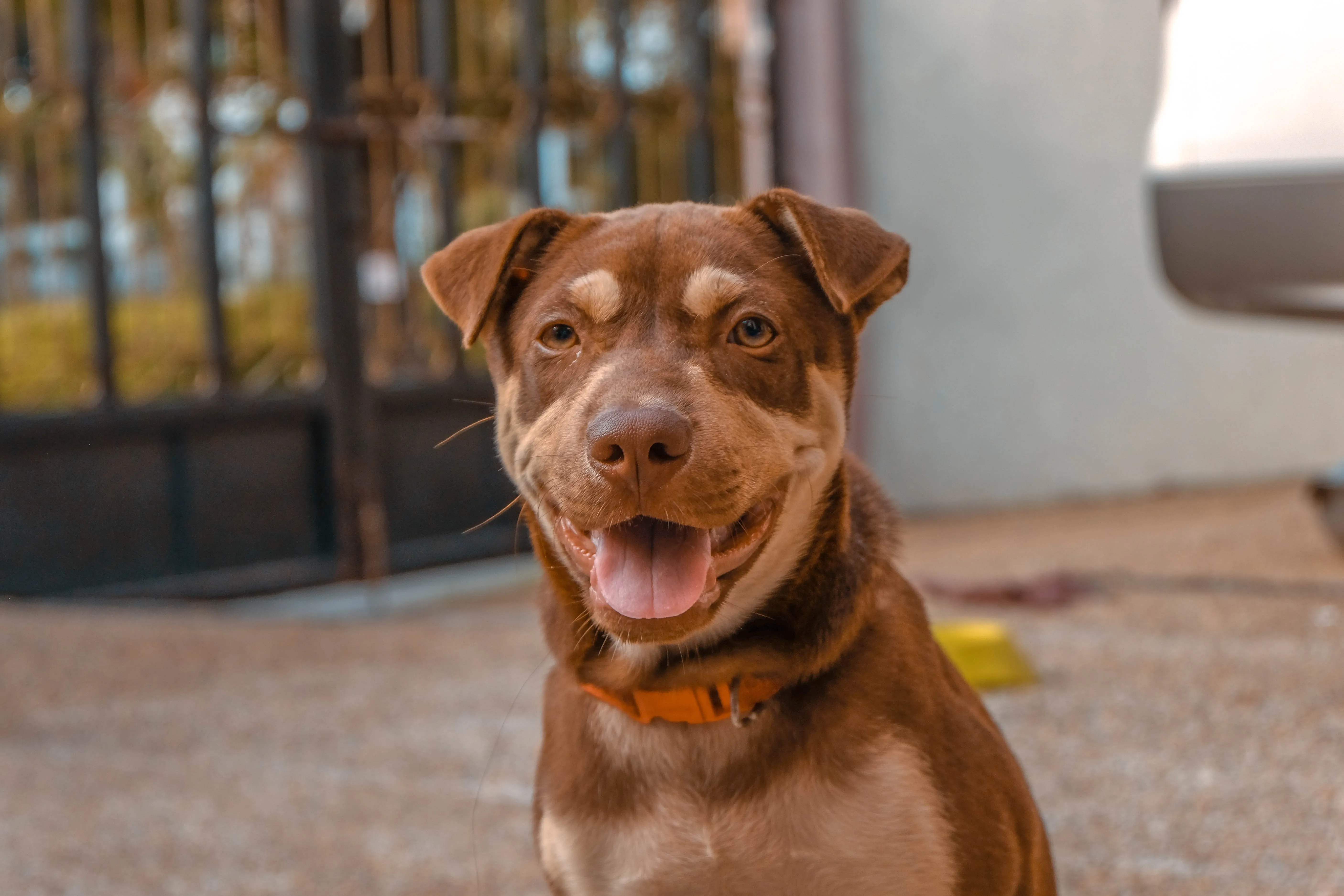
Therapy dogs are not chosen based on breed or appearance. What matters most is temperament, emotional stability, and the ability to remain calm around unfamiliar people and environments. A dog that enjoys meeting new people and remains relaxed in busy situations often has the right foundation.
- Calm temperament: Therapy dogs should remain relaxed around new people, noises, and movement.
- Friendly with strangers: They must enjoy gentle interaction with many different people.
- Comfortable being touched: Therapy dogs are often petted by children, seniors, and individuals with disabilities.
- Reliable obedience: Basic skills like sit, stay, and loose leash walking must be dependable.
- Confidence in new environments: Hospitals, campuses, and schools can be busy places.
Dogs that are naturally social and emotionally steady tend to thrive in therapy settings.
Training Skills Therapy Dogs Need
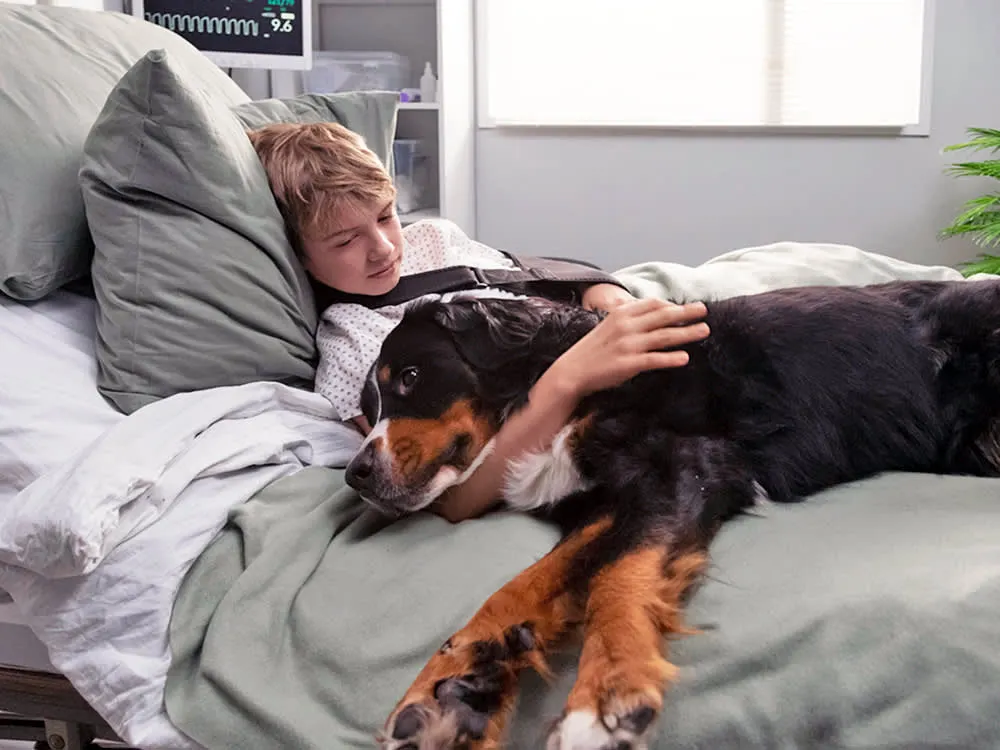
Even a dog with a wonderful personality still needs training before participating in therapy visits. Therapy dogs must demonstrate reliable manners and the ability to focus on their handler even when surrounded by distractions.
Training typically focuses on everyday behaviors that help the dog remain predictable and calm in public environments.
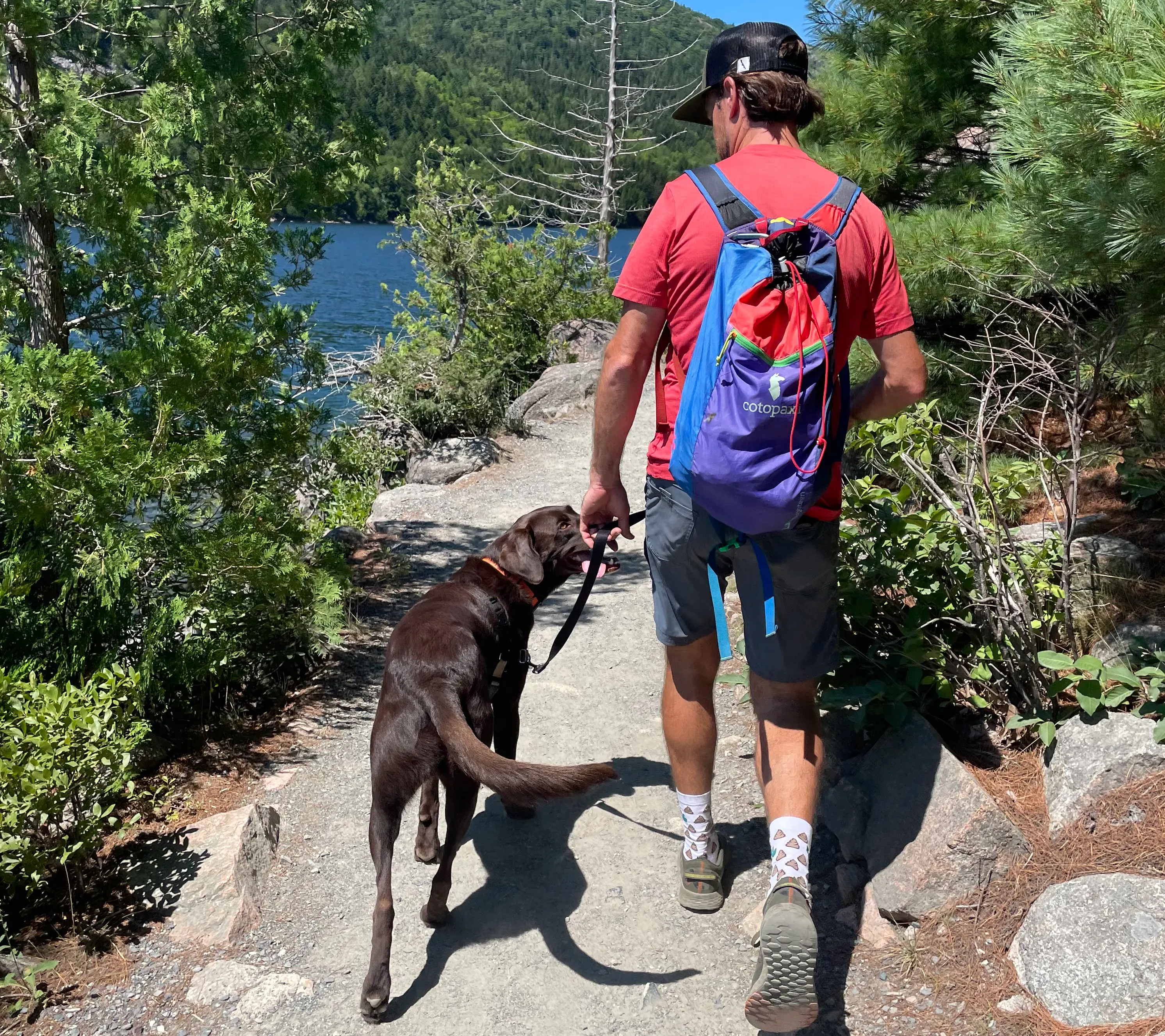
- Loose leash walking: Dogs must walk politely without pulling or wandering.
- Greeting politely: Jumping or overly excited greetings are not appropriate for therapy visits.
- Settle behavior: Therapy dogs often need to relax beside their handler during conversations.
- Impulse control: The dog should remain calm when people move suddenly or approach quickly.
- Public manners: The dog must stay focused even in busy environments.
These skills help ensure therapy visits remain safe and positive for everyone involved.
Therapy Dogs vs Service Dogs
Many people confuse therapy dogs with service dogs, but the two roles are very different. Service dogs are individually trained to assist a person with a disability and have legal access rights under federal law.
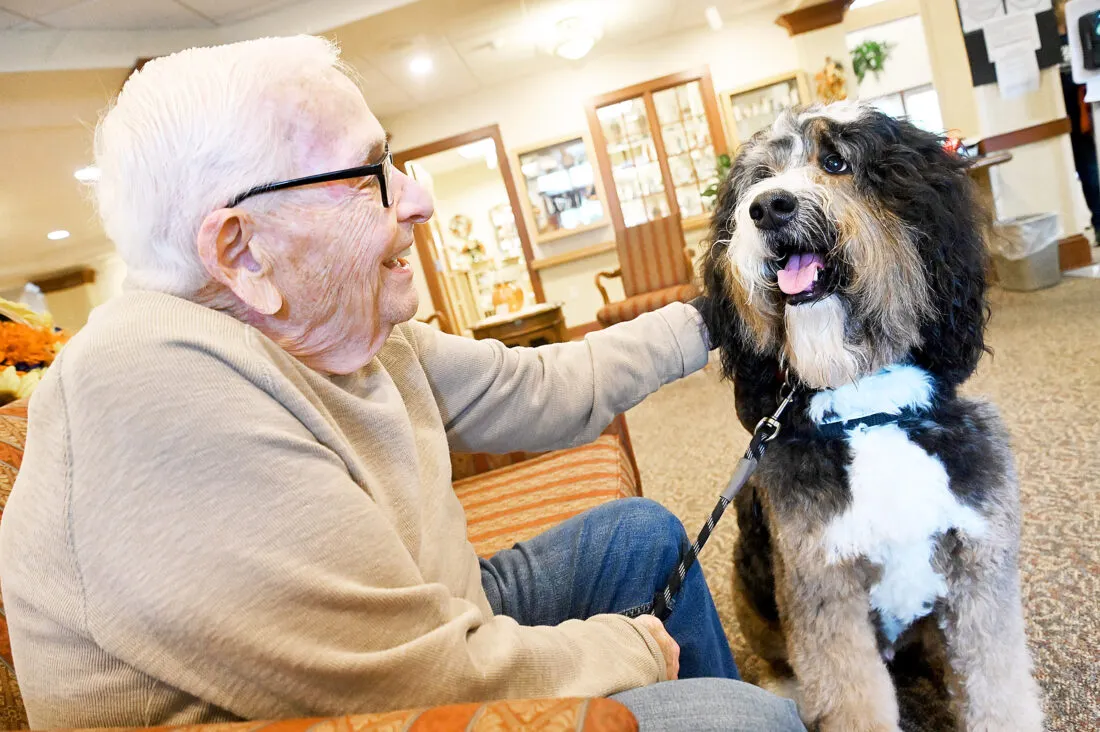
Therapy dogs, on the other hand, volunteer alongside their handler to provide comfort and emotional support to others. They do not have the same public access rights as service dogs and typically visit approved facilities as part of organized programs.
Both roles require excellent training and temperament, but the purpose of the work is different.
How Dogs Begin the Therapy Dog Journey
The process usually starts with strong foundational training. Dogs must demonstrate reliable obedience and calm behavior before they can be evaluated for therapy work. Many programs also require dogs to pass evaluations that measure temperament, social behavior, and handler control.
For many, the journey toward therapy work becomes a rewarding experience. Training together strengthens the bond between the dog and handler or owner while preparing them to help others in their community.
Some dogs discover they truly enjoy meeting new people and thrive in environments where they can offer comfort.
Your Takeaway Treat

Therapy dogs bring calm, connection, and comfort to the people they meet. While not every dog is suited for therapy work, many dogs can develop the skills and temperament needed through thoughtful training and preparation.
If you are curious whether your dog might enjoy therapy work, the first step is building strong training foundations and evaluating your dog’s temperament. The journey can be incredibly rewarding for both dogs and their handlers.
Newman's Dog Training helps families throughout Northwest Arkansas build reliable training skills and prepare dogs who may be interested in therapy work.
We proudly offer dog training services in both Kansas City and Northwest Arkansas, including Bentonville, Fayetteville, and surrounding areas.
Ready to take the next step?
Book your free consultation today and let’s design the perfect plan for your dog.
Step up your dog training game with access to our entire course library and special
rates for one-on-one sessions. Unlock your potential now!
Save More, Learn More, Achieve More!
Please contact us if you have any questions on these tips, [email protected]
Also, follow us on Instagram and Facebook.